
Towards the end of my Japan trip, I booked to have a same day connection to fly out of Narita. The domestic flights from Osaka to Tokyo are mainly in and out of Haneda airport instead of Narita, which I assume is due to Narita being a more of an international hub, and also due to the distance to Narita it is not a very convenient airport for domestic travel. There are several flights that I found to Narita and while I had a longer transit time on the ground, it is preferable than having to make my way from Haneda to Narita which could take over 2 hours by public transport.
Upon arriving at the check in area, there were a small section of self service check in and baggage drop machines. They were easy to use and I needed to confirm with the staff in regards to something in my luggage, so she assisted me with the remainder of the check in process and handed me with the boarding pass professionally and with the usual Japanese friendliness. There was no queue nor was it busy, and soon I was at the security and similarly with my experience in Tokyo, the process was quick and efficient, I was through in no time and over by the gate in minutes.
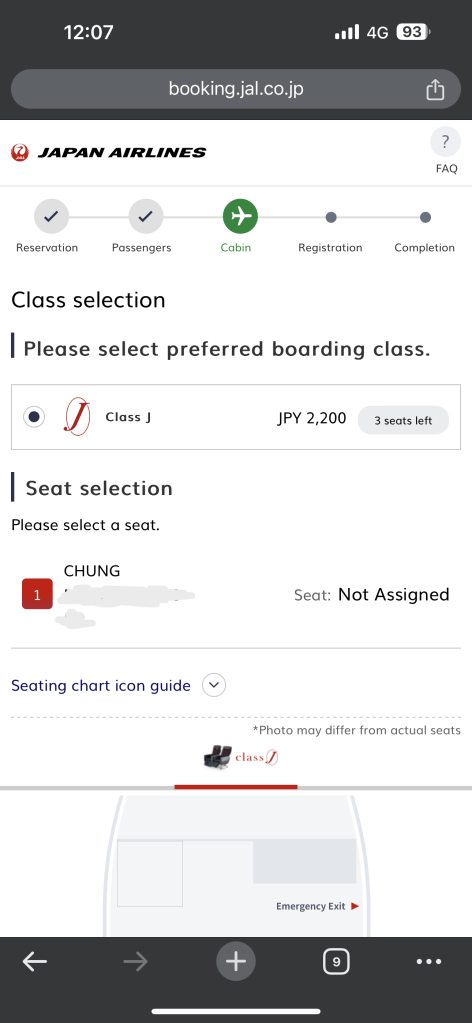
When I did my check in online, I was able to bid for an upgrade, as this aircraft is only fitted with a J Class, which is sort of a Premium Economy product, I went through the process and quickly was confirmed to have been accepted. The cost of the upgrade was 2200 yen which is not significant and is a cost I think is acceptable for such a length of flight and without any additional benefits in terms of baggage allowance, lounge, food or priority boarding/baggage.
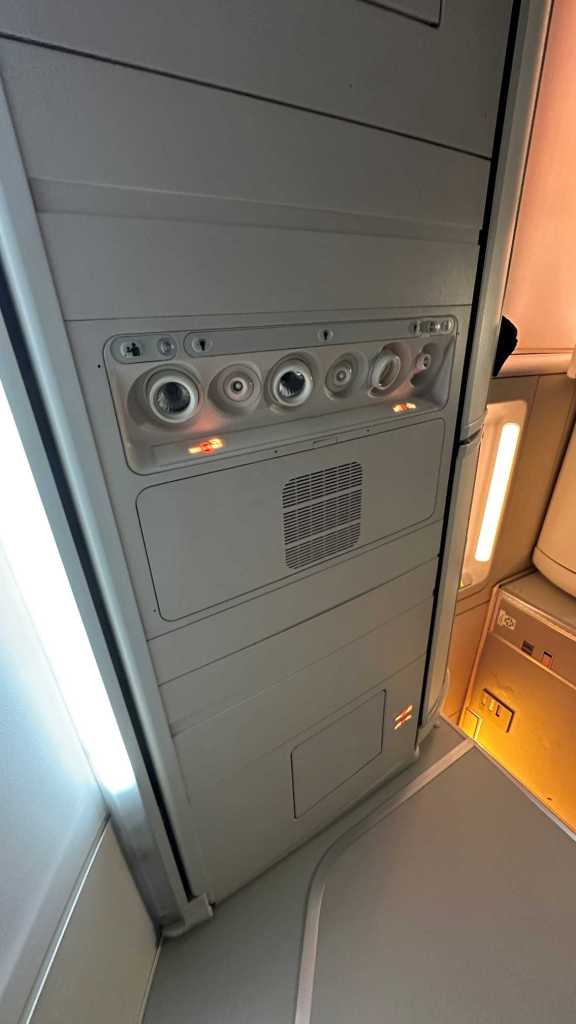
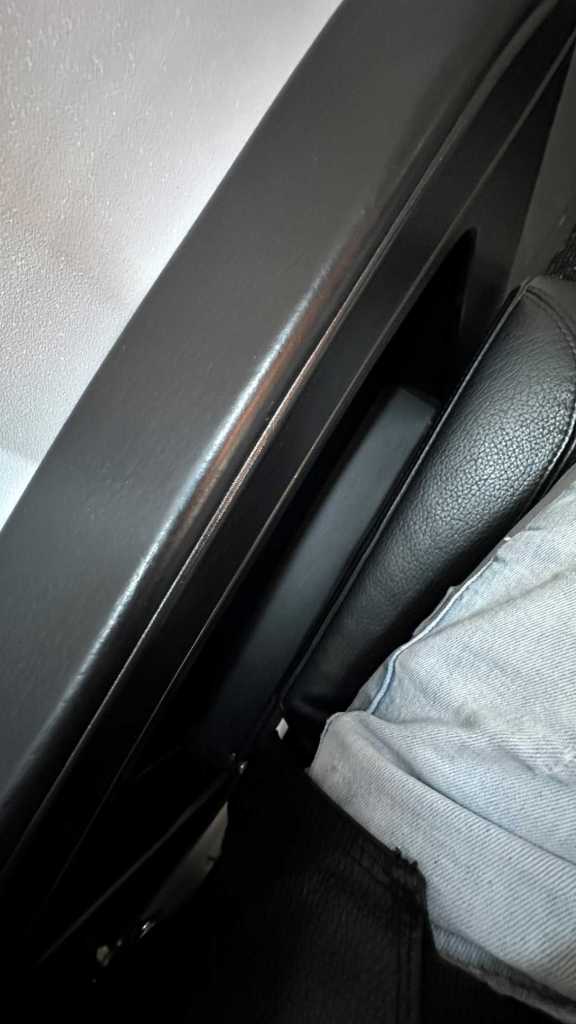
This 737-800 has been retrofitted so all the hard product are of the latest offering JAL has to offer. This aircraft is definitely an oldie with the retro panels and window shades, however the refreshed cabin and upkeep made it look new and young, which I applaud JAL for the ability to maintain the high standard of cleanliness as I couldn’t find crumbs on the small storage cubicles just under both sides of the arm rest which is notorious for these sort of things, which can’t be said for many other airlines and I have seen worst with drawings and scratches, but of course this comes down to the people who are using the product as well, which we know Japanese people are very respectful and take good care of public items.
Announcements and safety briefings were done in both Japanese and English, the crew were friendly and spoke English well. On the dot, we started our pushback which I find remarkable that they can run their operation to this level. After takeoff, service quickly started and we were presented with a menu which have a picture of the item, and then in both Japanese and English of what they are. The drinks selection are really good and plentiful for this short domestic sector.
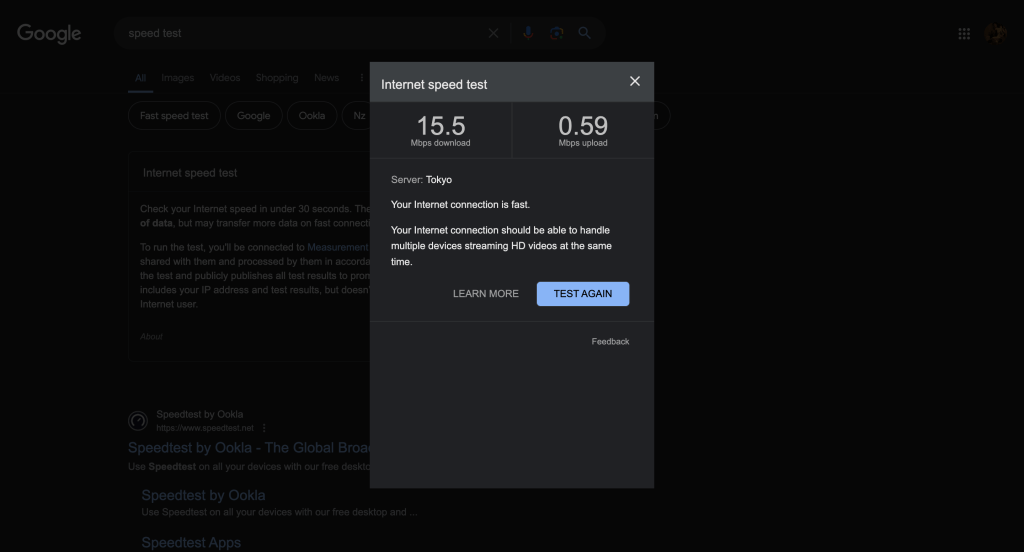
While we do not have IFE for the seat, this aircraft is equipped with wifi and is unrestricted, so I was able to browse and access social media, the speed test was showing relatively fast speed as well which is more than enough for people to watch content, there’s also a JAL portal for people to stream content if they wish to do so, however I didn’t have time to look to deeply into it but it’s all in Japanese so I do not believe there’s any English content available.
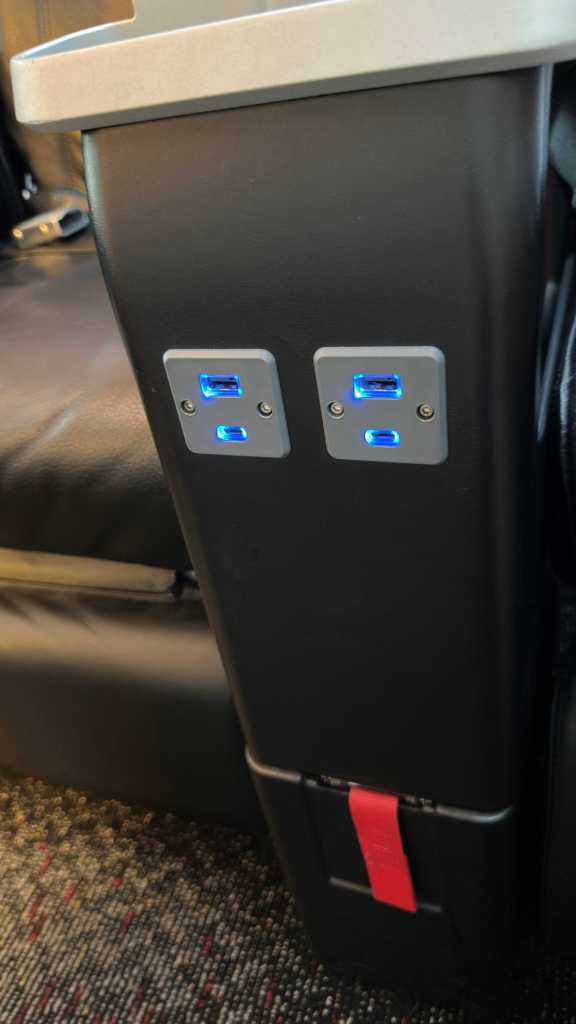
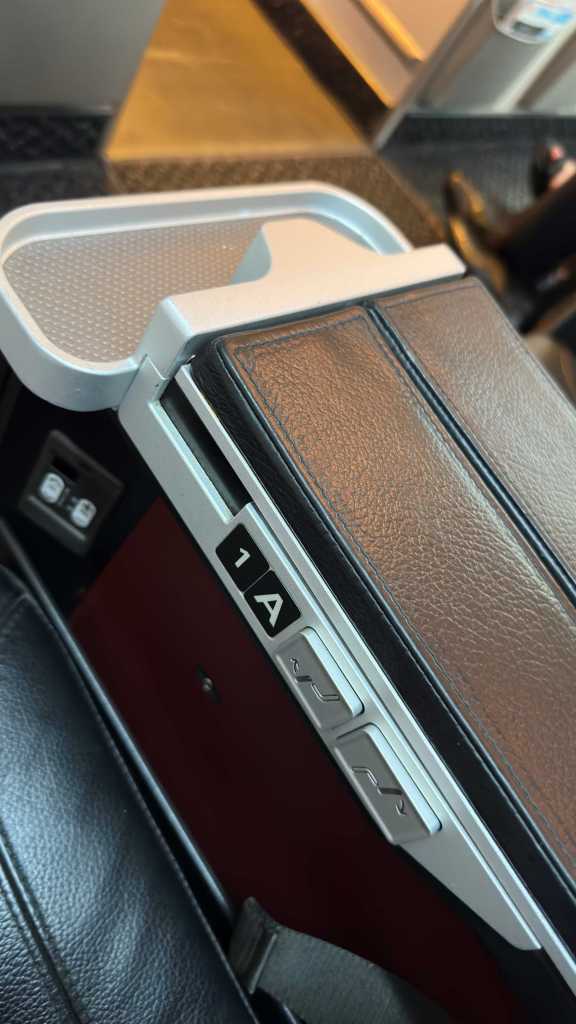
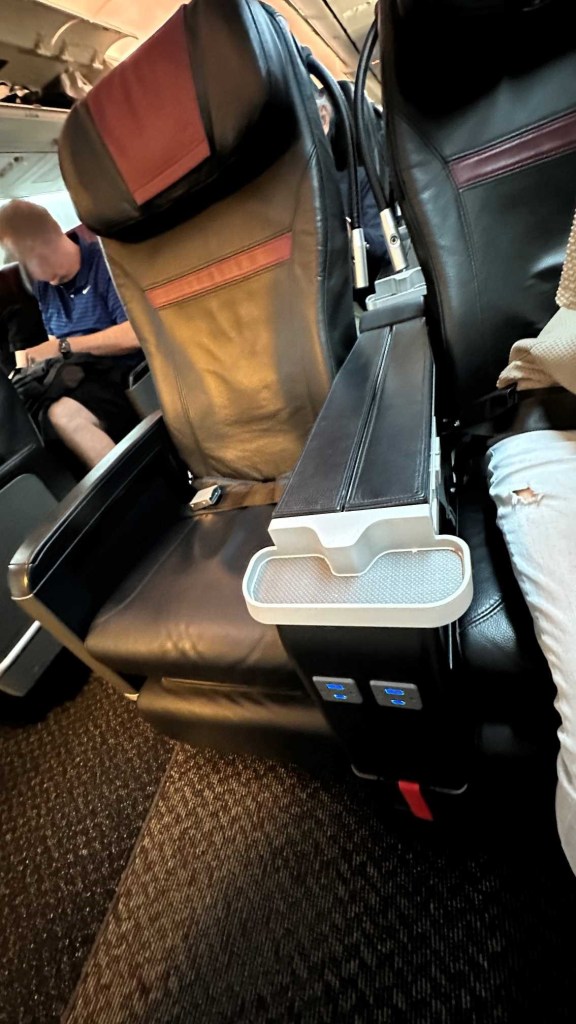
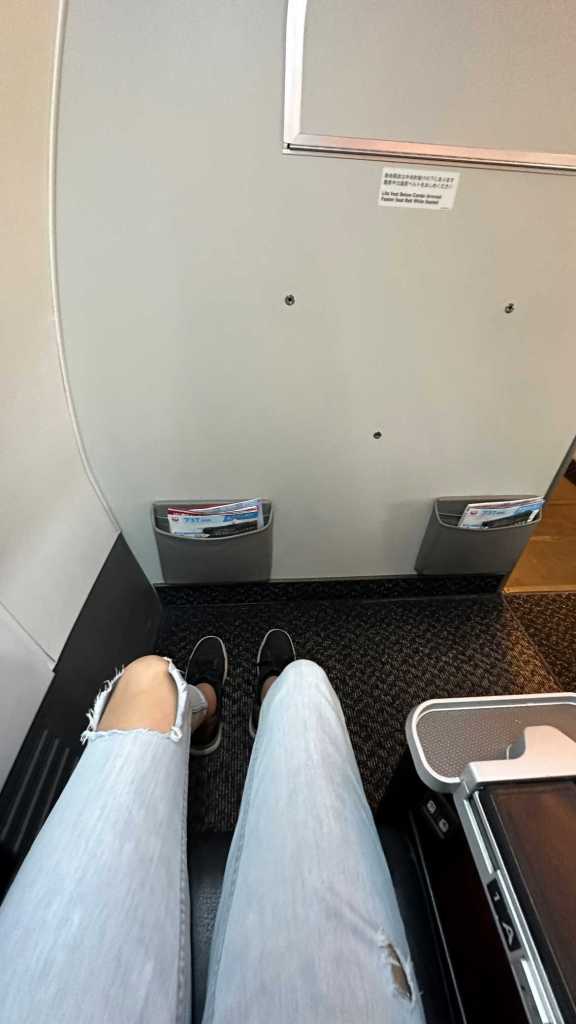
The J Class on the 737-800 is in a 2-3 layout, so if you are a couple or even single, the left side may be the better option, while family, friends and groups should choose the right side. The seat itself has 97cm of pitch and 47cm of width according to their website, I am 181cm tall and when I stretch my leg to the bulkhead I couldn’t even touch it, which is very rare so in terms of comfort and space this is remarkable. Some additional features that the seat has is a leg rest, cocktail table, large table, additional reading light and USB A + USB C charge port.
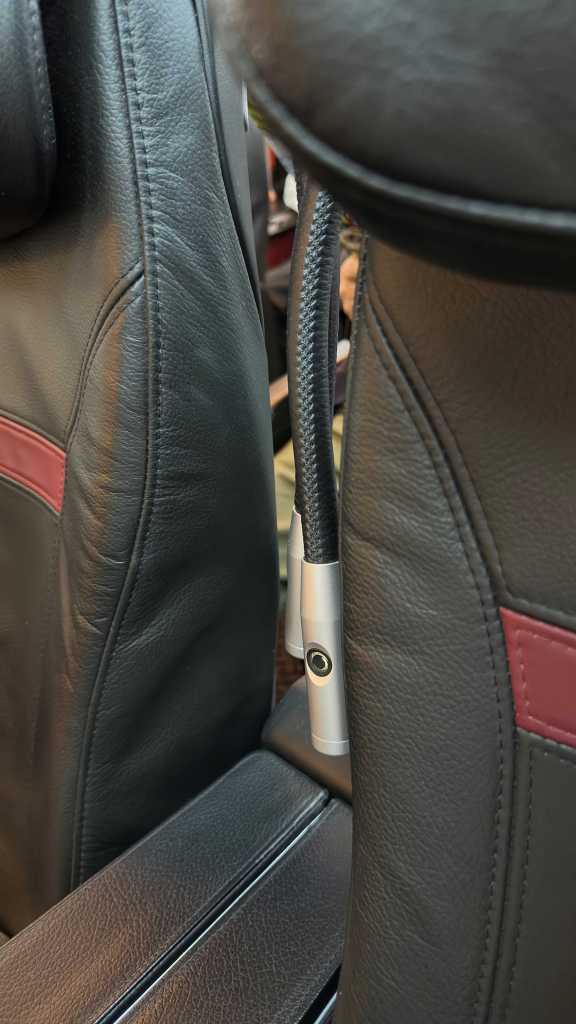
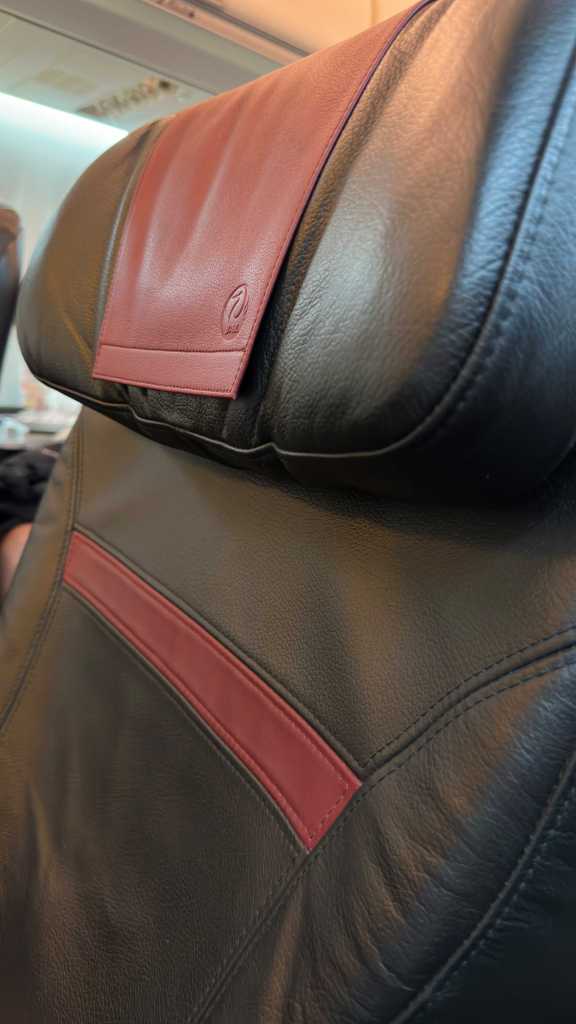
One quirk I found is the lack of announcement from the cockpit, in fact none, which I first found out when flying to Osaka and thought it was the airline but realise it’s just the Japanese way of doing it. I suppose for short flights they don’t like to be disturbed and just get to their destination, since Japan has similar geography to NZ, our longest flights are barely 2 hours which barely enough time to do a meal service.
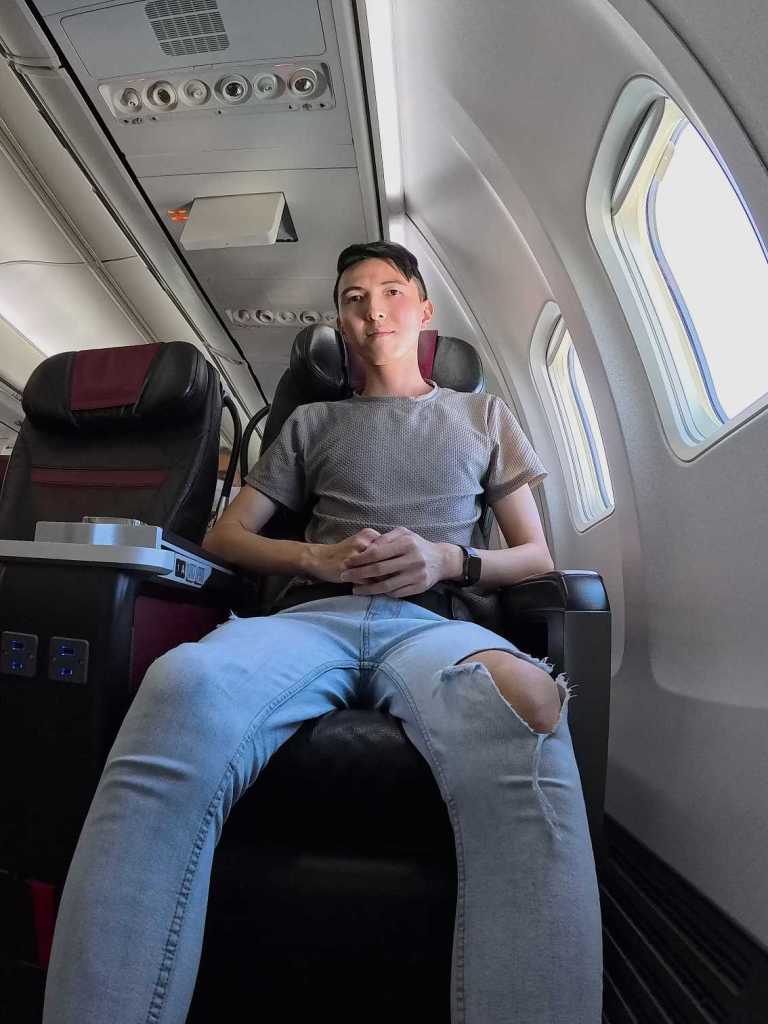
Overall I find JAL to be a reliable and a proficient airline, they are a part of the OneWorld alliance which means you will be able to connect to a wide range of other airlines and the world once getting to the main hubs, as for upgrading to J Class, I think for people looking for the additional space and comfort, it is worth paying the extra if they can find the upgrade space, but I wouldn’t pay much more for it given that there’s no additional benefits on the ground or in the air, unless the flight time is much longer which for a domestic network wouldn’t usually be. They also operate some wide body aircraft on the domestic network which features first class, they will come with more privacy and possibly more benefits, but at least for this route this is the only product they are offering. I wouldn’t hesitate to fly JAL again in the future if I am to travel domestically within Japan.
The only issue I had with JAL was them switching my seat when I have pre-selected during my booking, as I wanted to get the Mt Fuji view but by the time I realise it there was no more seats available on the right, although the flight path didn’t take us anywhere near Mt Fuji but out towards the sea so we wouldn’t really have been able to get a good view, although I still wished they wouldn’t have done me dirty. I am glad I got a good view of it on my way to Osaka with Starflyer.

 PackJetRoam
Leave a comment